
MSL Summer School 2026
WORKSHOP
Brevity & Feeling: Reading/Writing Verse Novels
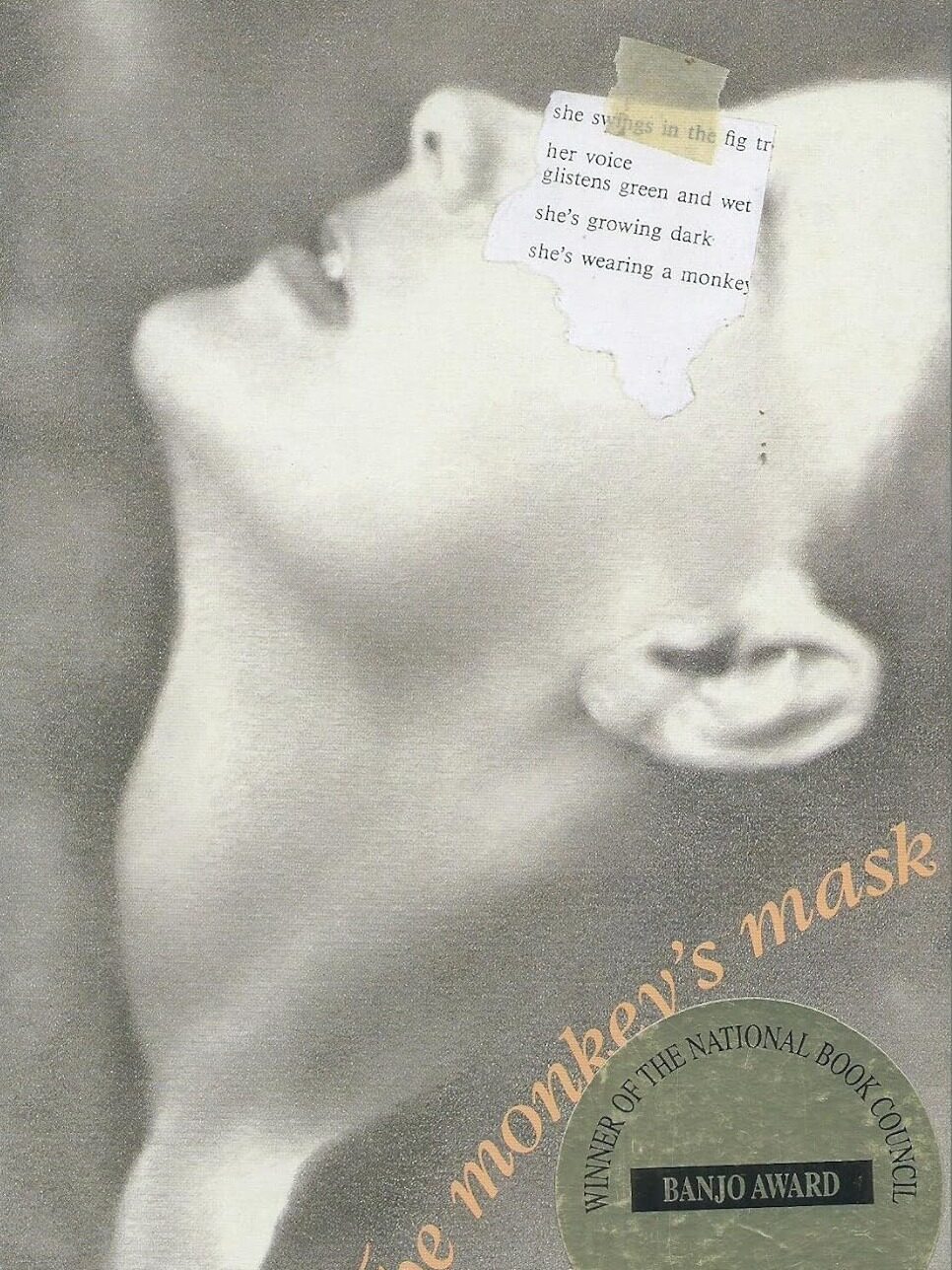
Image credit: Ainslie Roberts 1995
Lecturer: Kat Capel
Tuesdays 6–8pm, 13 Jan – 10 Feb 2026, Multipurpose Room 2, Kathleen Syme Library, Carlton (in-person only, recordings uploaded each week)
What is a verse novel? Why should you care about verse novels today? And why should you write one?
A verse novel must tell a story, but it must do so in verse––that is, in poetic form. It doesn’t have to rhyme, though it can. It must have characters that move around, think, feel and experience things. Often, it utilises cliches––plots and themes that should be done to death, but that are given a new license through poetry.
A good verse novel feels like a secret, or––as a fellow poet and friend pointed out––like a musical. Verse novels contain a healthy dose of sincerity that, if we are still in a postmodern world, makes us cringe. Yet the verse novel must hinge (forgive me) on rhythm, rhyme gaps and puzzles. It is difficult to be ironic when you have not only created the game, but asked others to play. So here we are, halfway out, and halfway in, ready to feel again. Neck stiff, the musician looks up from his shoes and gazes at the crowd. There is something about the verse novel form that has a collective sense.
This workshop is in favour of the ongoing revival of the verse novel form. Each week, the first hour of the workshop will be dedicated to reading and discussing an extract from a different verse novel, and the second hour will be dedicated to the hopeful process of writing one of our own.
SEMINAR
GURLESQUE SUMMER
Lecturer: Melinda Bufton
Thursdays 6–8pm, 15 Jan – 12 Feb 2026, Multipurpose Room 1, Kathleen Syme Library, Carlton (in-person only, recordings uploaded each week)
Not all feminist poetry contains the same political intentions. In the early-mid 2000s poet-scholars Arielle Greenberg and Lara Glenum observed a new style of American poetry emerging; it was feminist, but arguably with extra teeth. It was girly, brash, punkish, grotesque, relentlessly feminine, riskily obscene. Greenberg and Glenum recognized this as third-wave feminist poetry, chronologically and politically, and noted in the introduction to their small press anthology Gurlesque: ‘In place of confessional narrative there was fragment and disjuncture, prose and chant…silly and scary, pretty and dirty, wild and demanding…’ (2010).
Gurlesque poetics can be explored by stylistic features, form and the range of feminist operations and politics enacted. The Gurlesque also butts up against and interacts with fashions – eras and waves of feminist thought, sexual politics, the performance of gender, poetic experimentation, literary production, music, art, popular culture.
This course will take a look at themed spaces of the Gurlesque via close readings of poetry alongside critical readings chosen to situate and activate.